
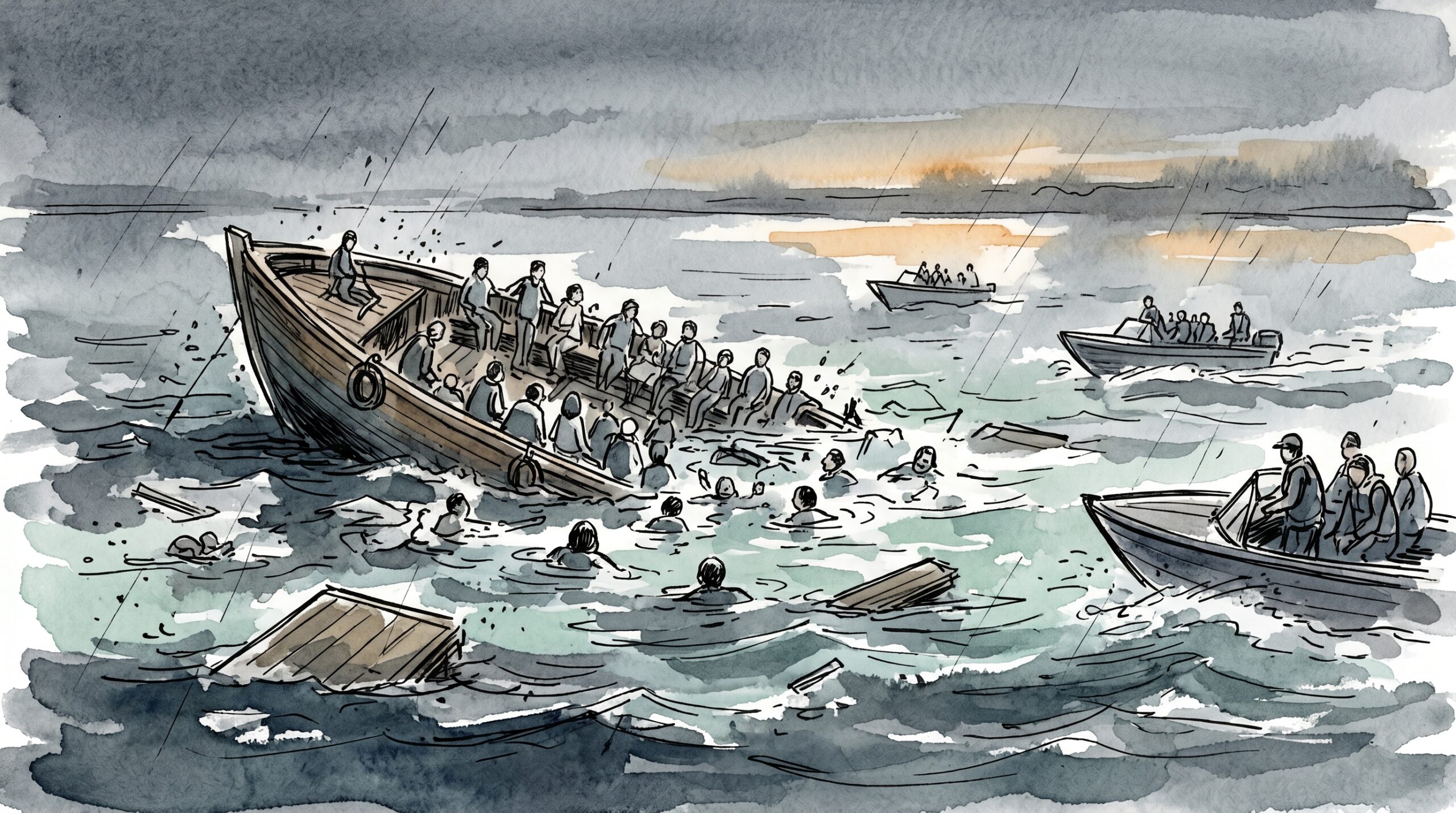

Forty-one people. Let that number sit with you for a second. Not forty-one delayed bags, not forty-one seasick passengers who got a refund — forty-one people who went on a tourist boat ride in Vietnam and did not come home. This is one of the deadliest waterway accidents Vietnam has seen in recent memory, and it is sending shockwaves far beyond the country’s borders into every corner of the Southeast Asian tourism industry.
Tea TempLast updated: June 15, 2026
The Scope of This Is Not Normal
There are maritime incidents, and then there are catastrophes. The loss of 41 lives on a tourist vessel puts this squarely in the second category. To put it bluntly: “one of Vietnam’s deadliest recent waterway accidents” is a phrase that should stop everyone in their tracks. Vietnam has a thriving water tourism industry — from the iconic limestone karsts of Ha Long Bay to river cruises threading through the Mekong Delta. Tens of thousands of travelers board tourist boats in this country every single year. A tragedy at this scale is not a footnote. It is a reckoning.
Southeast Asia’s Cruise and Sightseeing Industry Is Now Under a Microscope
The incident is already triggering widespread scrutiny of cruise and sightseeing travel safety standards across Southeast Asia — and honestly, that scrutiny is overdue. Water tourism in the region operates across an enormous range of operators, from five-star junk boats with life-jacket drills to vessels where “safety briefing” is a generous description. The problem has always been enforcement: who is checking these boats, how often, and whether the inspections actually mean anything when a vessel heads out with a full load of tourists.
For context: when mass-casualty events happen on tourist watercraft in this part of the world, the pattern tends to be the same. Overcrowding. Inadequate safety equipment. Poor weather judgment. Aging vessels. And somewhere in the chain — a regulatory gap that let the boat leave the dock when it probably shouldn’t have. That’s not an accusation at this early stage. That’s just the history of how these tragedies unfold.
What This Means If You’re Booking a Cruise or Sightseeing Tour in the Region
Here is the uncomfortable truth about water tourism outside of the heavily regulated North American and European cruise market: the rules are different, the oversight is patchier, and the assumption that “someone checked all this” may not hold. That doesn’t mean Southeast Asia’s waterways are categorically unsafe — millions of people travel them without incident. But it does mean that when you hand over money for a sightseeing cruise in Ha Long Bay or a river boat tour along the Mekong, you are operating in a different risk environment than you would be on a mega-ship sailing out of Miami.
The practical advice hasn’t changed — pick established, well-reviewed operators, look for visible safety equipment, don’t ignore your gut if something feels off — but tragedies like this one have a way of making that advice feel a lot less abstract. Read that again. Forty-one people. Pick your operator carefully.
The Pressure Is Now on Governments and the Industry to Act
What happens next will matter. The real test of whether this tragedy changes anything is what Vietnamese maritime authorities and the broader regional tourism industry actually do in response. There will be statements. There will be investigations. The question — the one that always goes unanswered in the weeks after something like this — is whether those investigations produce enforceable changes, or whether the tourist boats fill up again next season with the same gaps intact.
The cruise industry loves to talk about its safety record when things go right. The moments that define whether it deserves that reputation are the moments like this — when something has gone catastrophically wrong and the industry has to decide whether it’s genuinely going to fix it or just wait for the news cycle to move on.
What We Know
- Location: Vietnam (specific waterway not yet confirmed in initial reporting)
- Vessel type: Tourist vessel
- Casualties: 41 people killed
- Significance: One of Vietnam’s deadliest recent waterway accidents
- Industry impact: Triggering widespread scrutiny of cruise and sightseeing travel safety standards across Southeast Asia
- Status: Investigation ongoing; incident has elevated regional tourism safety standards to urgent public debate


Try our free cruise games & calculators
Explore real CDC inspection scores and outbreak data for every cruise ship.