
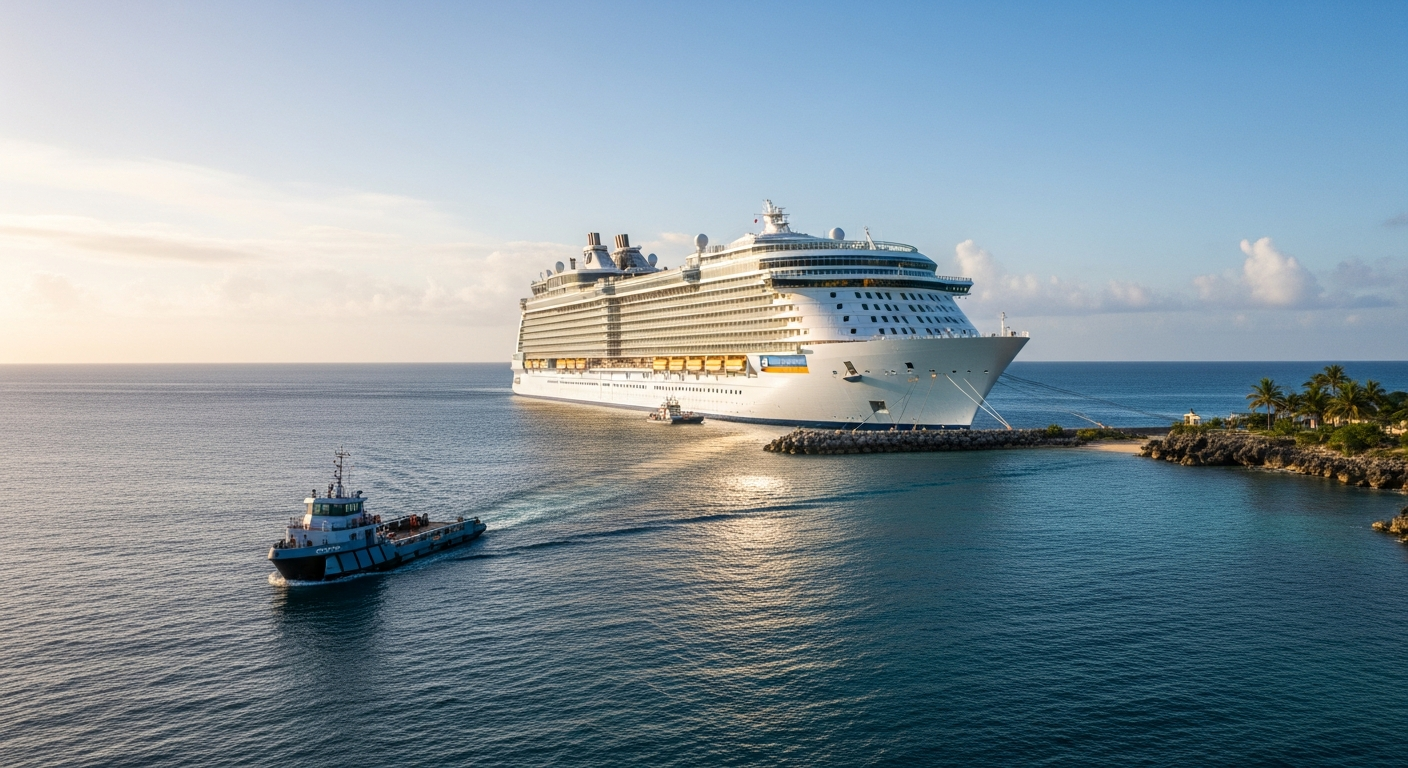

One of the Caribbean’s most popular cruise destinations is officially off-limits for the entire year. But Royal Caribbean isn’t abandoning Labadee completely—they’re just not bringing tourists anymore.
⏱️ 8 min read
Labadee Is Closed to Cruisers Through December 2026
Royal Caribbean has made the difficult but unsurprising decision to cancel all scheduled passenger visits to Labadee, Haiti, through the end of 2026. The cruise line’s private peninsula on Haiti’s northern coast—a lush, beach-fringed paradise that’s hosted millions of cruise passengers over the decades—will sit empty of tourists for at least another year.
According to Cruise Critic, the cancellation was made out of “an abundance of caution” as Haiti remains under a Level 4 “Do Not Travel” advisory from the U.S. State Department. The advisory isn’t a suggestion—it’s the highest level of travel warning the State Department issues, reserved for countries where conditions pose extreme risk to American citizens.
The decision affects numerous ships and itineraries across Royal Caribbean’s fleet. Ships originally scheduled to call at Labadee are being rerouted to alternative Caribbean destinations including Nassau (Bahamas), George Town (Grand Cayman), San Juan (Puerto Rico), and Bimini.
What’s Happening in Haiti
Haiti’s crisis has been building for years but accelerated dramatically following the assassination of President Jovenel Moïse in 2021. The situation has since deteriorated into what the United Nations describes as a catastrophic humanitarian emergency:
- Armed gangs control an estimated 80% of Port-au-Prince, the capital
- More than 1.4 million people have been displaced from their homes
- Essential services—hospitals, schools, water systems—have collapsed in many areas
- Violence has spread beyond the capital into previously stable regions
- International organizations struggle to deliver humanitarian aid safely
Labadee itself sits approximately 85 miles from Port-au-Prince on Haiti’s northern coast, and Royal Caribbean has historically maintained that the private destination operates independently from the broader Haitian situation. For years, that argument held—passengers visited the fenced, guarded compound without incident while the country around it struggled.
But as instability spread northward and security risks became impossible to ignore, the calculus changed. No beach day is worth passenger safety.
The Secret Supply Run
Here’s where the story gets interesting—and frankly, admirable.
On February 5, 2026, passengers aboard Royal Caribbean’s Oasis of the Seas—currently sailing a 6-night Western Caribbean cruise—noticed something unusual. According to Royal Caribbean Blog, the 226,838-gross-ton ship made an unscheduled stop at Labadee.
But passengers weren’t allowed off the vessel. Instead, the ship offloaded operational and humanitarian supplies to maintain the facility and support the skeleton crew that Royal Caribbean keeps stationed at Labadee even during the passenger visit suspension.
The ship departed around 3:15 PM EST and continued toward Fort Lauderdale for its scheduled disembarkation on February 7.
This wasn’t a one-time gesture. According to reports, various Royal Caribbean ships have been making periodic supply runs to Labadee throughout the suspension, delivering materials necessary to maintain the port infrastructure and support the local employees who depend on the facility for their livelihoods.
Why This Matters
The Labadee supply runs reveal something about the complicated relationship between cruise tourism and the communities it touches. Royal Caribbean has invested hundreds of millions of dollars in Labadee over the years, employing hundreds of Haitian workers and contributing to the local economy of an area with few other economic opportunities.
When cruise visits stopped, those workers didn’t disappear. The infrastructure didn’t maintain itself. The community’s economic lifeline was cut even as the broader national crisis made alternative income sources nearly impossible.
By quietly maintaining supply deliveries and supporting the local workforce even without passenger revenue, Royal Caribbean is doing something that doesn’t make headlines or marketing materials—but matters profoundly to the people on the ground.
It’s the kind of corporate behavior that deserves recognition precisely because it’s not being done for PR value.
What This Means for Your Caribbean Cruise
If you had a Royal Caribbean cruise booked with a Labadee stop, here’s what to know:
- Itinerary changes are automatic: Royal Caribbean is proactively rerouting affected ships to alternative ports
- Replacement destinations vary: Nassau, George Town, San Juan, and Bimini are common substitutions depending on the specific itinerary
- Compensation varies: Check with Royal Caribbean directly about onboard credit or other adjustments for the port change
- This applies through December 2026: Don’t book expecting Labadee access this year
The Debate: Was Labadee Always Problematic?
The Labadee situation has reignited a long-running ethical debate in the cruise community: was it ever appropriate to operate a luxury beach resort in one of the Western Hemisphere’s poorest nations?
Proponents argued that Labadee provided desperately needed employment and economic activity in a region with few alternatives. The facility employed hundreds of Haitians, and the economic ripple effects extended beyond the compound walls.
Critics countered that the fenced, guarded resort—where passengers enjoyed luxury amenities while extreme poverty existed just beyond the perimeter—represented the worst of cruise tourism’s exploitation dynamics. The stark contrast between passenger experience and local reality made some visitors deeply uncomfortable.
Both perspectives have merit. The truth, as usual, is complicated. Labadee provided real economic benefits to real people while simultaneously embodying problematic power dynamics. The current crisis doesn’t resolve that tension—it simply removes the option temporarily.
When Will Labadee Reopen?
Honestly? Nobody knows. The cancellation runs through December 2026, but reopening depends entirely on Haiti’s security situation—which shows no clear signs of improvement. The factors required for resuming visits include:
- Meaningful reduction in gang violence, particularly in northern Haiti
- Downgrading of the U.S. State Department travel advisory
- Restoration of basic infrastructure and security services
- Assurance that the port facility remains intact and operational
- Insurance and liability clearance for passenger operations
Based on current trajectories, optimistic estimates suggest 2027 at the earliest. Pessimistic assessments suggest Labadee may require fundamental reconsideration of its operating model before passengers return.
The Bottom Line
Royal Caribbean’s Labadee cancellation reflects a humanitarian crisis far larger than cruise tourism. The decision prioritizes passenger safety—correctly and necessarily. The quiet supply runs demonstrate corporate responsibility beyond the bare minimum.
For cruisers, the practical impact is straightforward: different ports for the foreseeable future. For Haiti, the stakes are immeasurably higher. And for the industry, Labadee’s closure raises questions about the sustainability of cruise destinations in politically unstable regions that won’t be answered anytime soon.
Related Reading
- The Most Overrated Cruise Destinations (And Where to Go Instead)
- Where to Cruise Every Month: Best Destinations by Season
- Hurricane Season Cruise Guide: How to Protect Your Trip
Follow Ship Tea for breaking cruise news and the sassiest commentary on the seven seas.

While you're here, try our free cruise tools:
Explore real CDC inspection scores and outbreak data for every cruise ship.