

Can You Bring Food on a Cruise?
Ah, the age-old question: can you bring food on a cruise? Whether you’re a snack-a-holic or just plain picky about what you eat, knowing what you can bring onboard (and what you can’t) is crucial for a stress-free embarkation day. Spoiler alert: cruise lines aren’t exactly thrilled about you bringing your own feast. After all, you’ve already paid for their all-you-can-eat buffet, right? Still, there are some sensible reasons why you’d want to pack a few snacks. Let’s dig into the nitty-gritty of what’s allowed and what’s not.
What You Can Pack
First things first: the good news. There are several categories of food that you can bring on a cruise without getting sidelined by security. These are typically sealed, non-perishable items that won’t freak out customs officials or spark a CDC investigation.
Sealed Snacks
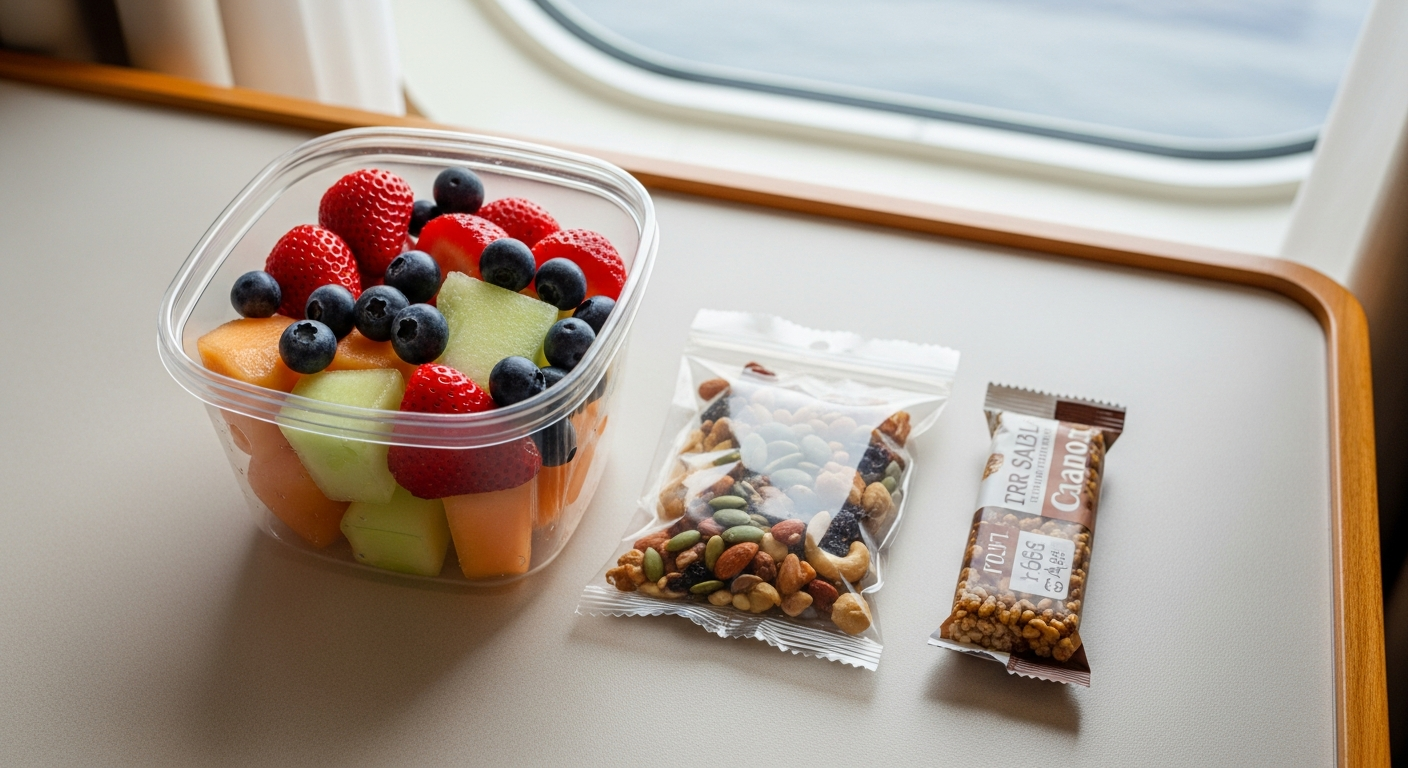
Packing sealed snacks is usually a go. Think granola bars, chips, pretzels, nuts, and candy. These items are perfect for late-night munchies or excursions when dining options may be limited. Just make sure they’re sealed in their original packaging—no homemade trail mix stashed in a Ziploc bag, folks.
Baby Food
Traveling with a little one? Worry not. You are allowed to bring baby food and formula onboard. Cruise lines generally accommodate the needs of families with young children, so you won’t have to sacrifice Junior’s specific dietary needs.
Dietary Items
If you have specific dietary restrictions, you might be in luck. Cruise lines often allow you to bring onboard special dietary foods, like gluten-free snacks, keto-friendly bites, or allergen-specific items. Just be prepared to argue your case if questioned. A note from your doctor wouldn’t hurt.
What Gets Confiscated
Now onto the juicy bits—what you absolutely should leave at home unless you enjoy a side of hassle with your vacation.
Fresh Fruits and Vegetables
Bringing fresh fruits and vegetables is a huge no-no. Due to agricultural restrictions aimed at preventing the spread of pests and diseases, these will be swiftly removed from your possession. Save yourself a headache and enjoy the fresh options available onboard.
Meats and Dairy
Sorry, charcuterie enthusiasts, but meats and dairy products are also a no-go. This includes everything from jerky to cheese and everything in between. If you simply must have your specific protein fix, stick to non-refrigerated, sealed snack packs you can justify as dietary requirements.
Homemade Food
While Grandma’s cookies might be heavenly, they’re not making it past port security. Homemade foods, including those infamous Ziploc bags of goodies, are prohibited. Leave the Tupperware at home and enjoy a croissant from the cruise buffet instead.
Port-to-Ship Food Policies
Now let’s talk about port stops. You’ve disembarked, you’re exploring a beautiful locale, and you want to bring some of that local flavor back onboard. But wait! Not so fast.
Local Delicacies
While it’s absolutely tempting to bring back local food from port, most cruise lines are against it. There are exceptions, but they vary widely depending on the destination and the cruise line itself. Always check with your cruise line’s Cruise Line Dossiers for specifics before making any purchases.
The Pizza Delivery Trick That Won’t Work
Thinking about ordering a pizza to the port and sneaking it back to your room? Clever, but not as original as you think. Most port security will stop you before you even get close to the gangway. Your best bet? Satisfy that pizza craving with the onboard options. Trust us, it’s not worth the hassle.
Why So Strict?
You might be wondering why cruise lines are so uptight about what food you bring onboard. The answer is a couple of things:
- BIOSECURITY: Fresh foods can carry pests and diseases that threaten both the local ecosystem and the shipboard environment.
- HEALTH REGULATIONS: Ships are subject to health inspections, and unvetted food items can compromise sanitation efforts.
- REVENUE: Let’s be real, cruise lines want you to spend money on their endless buffets, specialty restaurants, and room service.
How to Navigate Cruise Food Policies
Navigating the complexities of cruise ship food policies can seem daunting, but it doesn’t have to be.
Know Your Cruise Line’s Rules
Each cruise line has its own set of rules and regulations. Before you even start packing, check out our Cruise Line Dossiers for detailed info on what’s allowed on each line. For example, if you’re sailing with Carnival, their Carnival Hidden Costs page can offer insights into what to expect.
Plan for Dietary Needs
If you have specific dietary needs, communicate this to the cruise line ahead of time. They can often accommodate if they know in advance, and you’ll avoid the drama at security.
Enjoy What’s Available
Remember, you’ve got a smorgasbord of food available at your fingertips. Part of the fun of cruising is trying new dishes and indulging without worrying about the tab (because you already paid that astronomical base fare, right?).
THE BOTTOM LINE
Cruise lines have clear regulations when it comes to bringing food on board—and they aren’t shy about enforcing them. Know before you go, pack appropriately, and avoid the embarrassment of having your precious snacks confiscated. Think of it this way: you’ll have more room in your suitcase for souvenirs—or let’s be honest, more duty-free booze.
Want to know more about where your ship ranks in cleanliness or outbreak history? Visit our Ship Database and pick your next vacation with peace of mind. Until then, happy cruising and may your snacks always be legal!



While you're here, try our free cruise tools:
Explore real CDC inspection scores and outbreak data for every cruise ship.