
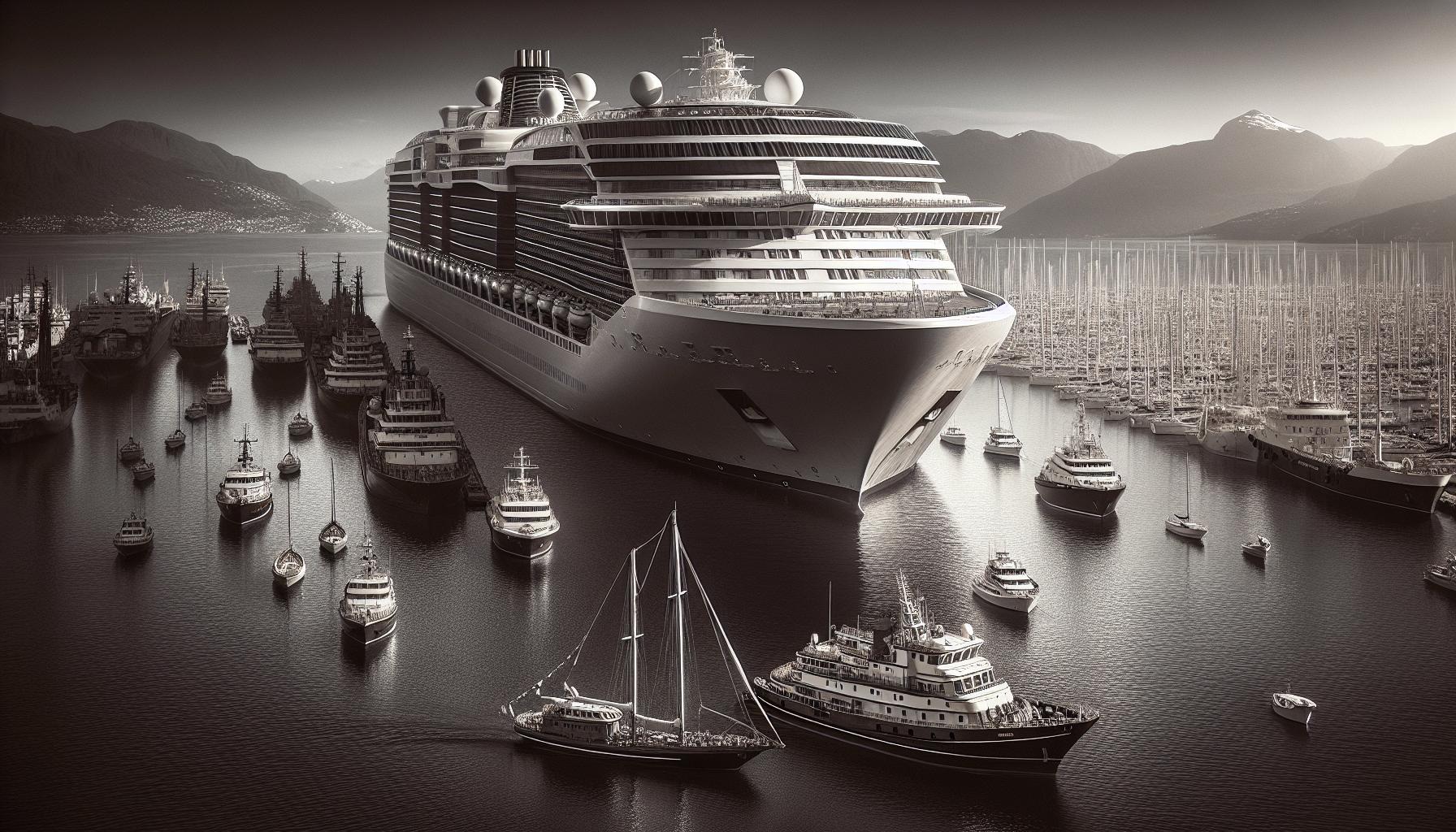

The cruise industry has split into two extremes: mega-ships carrying 6,000+ passengers and intimate vessels with under 500 guests. Each offers fundamentally different vacation experiences. Which is right for you? Here’s the comprehensive comparison to help you decide.
⏱️ 9 min read
Understanding Ship Size Categories
Before comparing, let’s establish what we’re talking about:
Mega-ships (4,000-7,000+ passengers): Royal Caribbean’s Oasis and Icon classes, Carnival’s Excel class, MSC’s World class. These are floating resorts—small cities at sea with maximum amenities, entertainment options, and variety.
Large ships (2,000-4,000 passengers): Most mainstream cruise vessels. Solid variety without extreme scale. Celebrity Solstice class, Norwegian Breakaway class, Princess Royal class. The middle ground that most first-time cruisers experience.
Mid-size ships (1,000-2,000 passengers): Premium and luxury mainstream vessels. Viking Ocean ships, Oceania, Holland America. More intimate atmosphere with strong destination focus and higher service ratios.
Small ships (under 1,000 passengers): Luxury and expedition vessels. Regent, Silversea, Windstar, Seabourn, and expedition lines like Lindblad and Hurtigruten. Highest service ratios, most unique itineraries, and most exclusive experiences.
Mega-Ship Advantages: Why Bigger Can Be Better
Overwhelming Variety and Options
On a 7,000-passenger mega-ship, you’ll find an almost absurd array of experiences: dozens of restaurants ranging from casual to fine dining, multiple entertainment venues with different atmospheres, waterparks with slides that rival shore-based parks, rock climbing walls, surf simulators, ice skating rinks, go-kart tracks, Broadway shows, comedy clubs, casinos, multiple pool areas, spa facilities, fitness centers, and more.
If you want options—if you want the freedom to try something different every day without repeating—mega-ships deliver overwhelming choice. You could cruise the same ship multiple times and have different experiences.
Value Pricing
Economies of scale mean mega-ships often offer the lowest per-day cruise pricing in the industry. More passengers equals more revenue, which allows cruise lines to spread fixed costs across more guests. If budget is your primary constraint, mega-ships typically offer the most cruise for the least money.
Family-Friendly Focus
Mega-ships invest heavily in multigenerational travel. Kids’ clubs with age-appropriate programming from toddlers to teens, family suites that actually fit families, waterslides and attractions that appeal to children, teen clubs that keep adolescents entertained, and activities that span all ages. A 12-year-old will never be bored on a mega-ship—there’s always something happening aimed at their demographic.
You’ll Never Get Bored
Sea days on mega-ships become activity marathons. There’s always something happening somewhere on the ship. Pool deck parties, trivia competitions, cooking demonstrations, art auctions, spa specials, fitness classes, shows, lectures, competitions—the programming runs nearly 24 hours a day. If you fear having “nothing to do,” mega-ships solve that problem emphatically.
Stability at Sea
Larger ships are more stable ships. More mass means less motion in rough seas. If you’re prone to seasickness, a 230,000-ton mega-ship will ride dramatically smoother than a 30,000-ton small ship. Modern stabilizers help all ships, but physics favors the big vessels.
Mega-Ship Disadvantages: The Trade-Offs
Crowds Everywhere
Six thousand passengers means lines. Lines at popular restaurants. Crowded pool decks where finding a chair requires strategy. Packed buffets at peak times. Elevator waits. The constant presence of humanity around you. If you value peace and space, mega-ships challenge that preference.
Limited Port Access
Mega-ships physically cannot fit into many interesting ports. Small harbors with limited infrastructure simply cannot accommodate them. You’ll visit the large, established cruise ports that are built to handle thousands of passengers at once—not the charming smaller destinations that often provide the most authentic experiences.
Assembly-Line Service Feeling
With thousands of guests to serve, personalized service becomes difficult. Crew members work incredibly hard, but they can’t remember everyone’s name. Your cabin steward cleans 20+ rooms. Your waiter serves dozens of tables. The service is professional and efficient, but it’s rarely deeply personal.
The Ship Becomes the Destination
Mega-ship marketing emphasizes onboard features for a reason: the ship IS the destination. Port time often feels secondary to waterslide time. This isn’t necessarily bad—but if you’re cruising primarily to see places, mega-ships can feel like the ports interrupt the real vacation.
Small Ship Advantages: Quality Over Quantity
Exclusive Port Access
Small ships visit ports that mega-ships physically cannot enter. Charming Greek island harbors. Remote Norwegian fjord villages. Small Caribbean cays without commercial infrastructure. Expedition destinations in polar regions. If unique ports interest you, small ships unlock destinations mega-ships can only sail past.
Superior Service Ratios
With 300-500 passengers served by proportionally more crew, staff actually remember your preferences. Bartenders know your drink before you order. Waiters remember your dietary restrictions. Your cabin steward knows your schedule. The service becomes genuinely personal in ways impossible at mega-ship scale.
Destination-Focused Experience
Small ships emphasize WHERE you’re going over WHAT’S on board. Enrichment lectures about upcoming ports. Local experts joining voyages. Immersive shore programs with cultural depth. More time in port, less time worrying about onboard activities. The cruise serves the destination rather than competing with it.
Like-Minded Passengers
Smaller ships attract specific demographics—often more experienced travelers with similar interests and expectations. The social atmosphere differs significantly when 200 guests share dinner versus 3,000. Conversations run deeper. Connections form more naturally.
Quiet and Calm
No fighting for deck chairs. No waiting 30 minutes for a specialty restaurant table. No elevator crowds. No constant announcements competing for your attention. Small ships offer genuine relaxation that mega-ships struggle to deliver despite their best efforts.
Small Ship Disadvantages: The Other Side
Significantly Higher Pricing
Luxury and expedition cruises cost substantially more per day than mainstream options. A week on a small luxury ship might cost what a month on a mega-ship would. All-inclusive pricing helps the comparison, but the total investment is substantial.
Limited Onboard Entertainment
You won’t find waterslides, Broadway shows, go-karts, or surf simulators on small ships. Entertainment options skew toward live music, enrichment lectures, and low-key lounges. If onboard activities are your priority, small ships may feel limiting.
Can Feel Confining
After a week on a 500-passenger ship, you’ll know most guests by face and many by name. For some travelers, this intimacy is cozy and welcoming. For others, it starts feeling claustrophobic. There’s nowhere to be anonymous.
Family Limitations
Kids’ programs range from minimal to nonexistent on small ships. Some luxury lines are adults-only by design. Families with children find limited entertainment options specifically for young travelers. Mega-ships are simply better equipped for family travel.
Who Should Choose What
Choose mega-ships if:
- Traveling with kids or multigenerational groups
- You want maximum variety and constant activity options
- Value pricing is a primary consideration
- You’re easily bored and need abundant stimulation
- Seasickness concerns you (bigger = more stable)
- You’re new to cruising and want to try everything
Choose small ships if:
- Destinations matter more than onboard activities
- You value exceptional, personalized service
- Crowds stress you out
- You prefer sophisticated, low-key atmospheres
- Budget is flexible and quality is priority
- You’re an experienced cruiser seeking something different
The Middle Ground
Mid-size ships (1,000-2,000 passengers) offer compelling compromise: enough variety to stay entertained, small enough for quality service and unique port access, priced between the extremes. Celebrity Edge-class, Viking Ocean ships, and Oceania vessels hit this sweet spot for many travelers who want the best of both worlds.
The Bottom Line
Neither option is objectively better—they serve different purposes and different travelers. The question isn’t “big or small?” but “what do I want from THIS cruise?” Answer that honestly, and the ship size choice becomes obvious.
Which size ship do you prefer? Share your experience in the comments! Follow Ship Tea for more cruise comparisons and the sassiest commentary on the seven seas.
While you're here, try our free cruise tools:
Explore real CDC inspection scores and outbreak data for every cruise ship.