
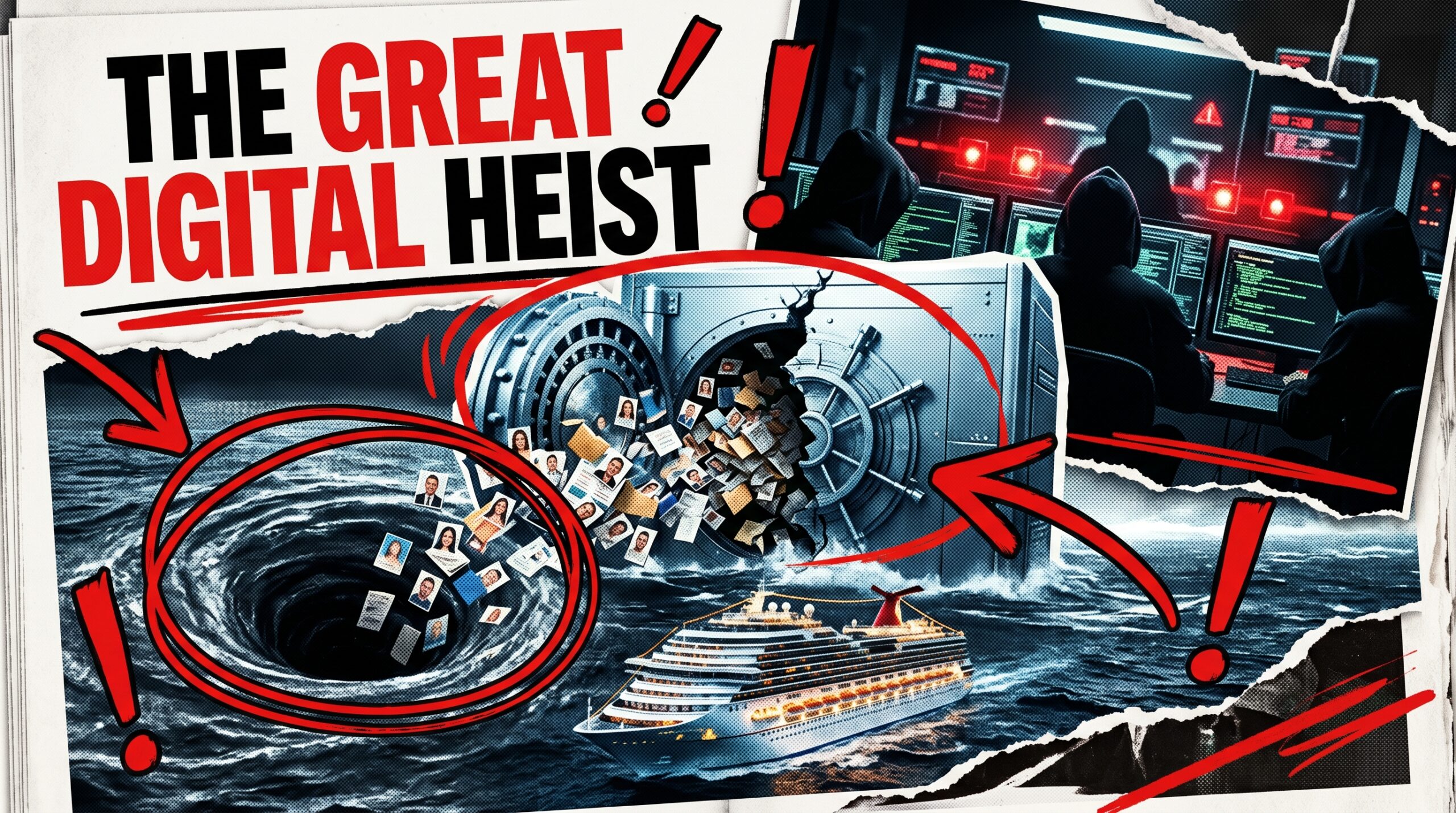

Six. Million. Passports. Let that sink in for a second. The world’s most popular cruise line just confirmed a cyberattack so catastrophic it exposed the personal information of approximately 6 million people — including passport details — making it one of the largest data breaches in cruise industry history.
Tea TempLast updated: June 8, 2026
This isn’t a case of someone’s email address getting scraped from a marketing list. We’re talking about passports. The documents governments use to verify who you are. The documents you hand over at every port, every embarkation, every customs line. If you’ve ever sailed with this cruise line, your information may have been sitting in a hacker’s hands before you even knew there was a problem.
What Got Exposed — And Why It Matters More Than You Think
Passport data isn’t just an inconvenience to replace. It’s the skeleton key of personal identity. A leaked passport number, combined with your name and date of birth — the kind of info any cruise booking database would absolutely have — is enough for a motivated bad actor to open lines of credit, apply for government documents, or impersonate you in ways that take years to untangle.
And this breach didn’t just hit a niche line with a cult following. The world’s most popular cruise line, by any reasonable measure, has carried tens of millions of passengers over the years. Six million affected people is a massive slice of a massive pie. There’s a statistically solid chance someone you know is in this data set.
The Cruise Industry’s Complicated Relationship With Your Data
Here’s the thing — cruise lines collect a lot from you. Passport scans. Date of birth. Home address. Emergency contacts. Credit card numbers. Health questionnaires. Travel history. All of that gets stored, often for years, across multiple systems that may or may not have kept pace with modern cybersecurity standards.
The cruise industry has a track record of being reactive rather than proactive when it comes to security. Breaches tend to surface long after the intrusion occurred — meaning passengers are often notified months or even years after their information was already siphoned off and potentially sold or exploited. By the time you get the carefully-worded “we take your privacy seriously” email, the damage may already be done.
Read that again. By the time you find out, it may already be done.
What Should Affected Passengers Actually Do?
If you’ve sailed with the world’s most popular cruise line — you probably know who we’re talking about — it’s worth treating your information as potentially compromised and acting accordingly. That means:
- Monitor your credit reports for suspicious activity or new accounts you didn’t open
- Place a fraud alert or credit freeze with the major bureaus (it’s free and more powerful than people realize)
- Watch for phishing attempts — hackers who have your real name, passport number, and address can craft very convincing fake emails
- If your passport was exposed, consider contacting the State Department about your options
- Check if your cruise line is offering identity protection services — breaches of this scale often come with some form of credit monitoring offer
None of this is fun. None of this is what you signed up for when you booked a Caribbean getaway. But here we are.
One of the Largest Breaches in Cruise History — Full Stop
To be clear about the scale here: 6 million records is not a rounding error. This sits comfortably among the largest consumer data breaches in recent memory, full stop, not just within the cruise industry. It will be studied in cybersecurity courses. It will be cited in congressional testimony. It will be referenced in lawsuits.
And for the 6 million people whose passport details are now somewhere in the wild — it’s not an abstract cybersecurity statistic. It’s their actual lives, their actual identities, their actual vulnerability to whatever comes next.
The cruise industry has spent years marketing itself as an aspirational escape — a floating paradise where your biggest worry is whether you get a balcony or an interior cabin. This breach is a jarring reminder that somewhere behind the champagne fountains and the midnight buffet, there are servers full of your most sensitive personal information, and those servers are not always as secure as the brochure implies.
What We Know
- Cruise line affected: The world’s most popular cruise line (as identified in reporting)
- Data exposed: Passport information and sensitive personal data
- People affected: Approximately 6 million
- Nature of incident: Cyberattack / data breach
- Severity: One of the largest data breaches in cruise industry history
- Key concern: Identity theft and misuse of passport data for affected passengers
- Status: Breach confirmed; ongoing security and identity theft concerns



Try our free cruise games & calculators
Explore real CDC inspection scores and outbreak data for every cruise ship.