
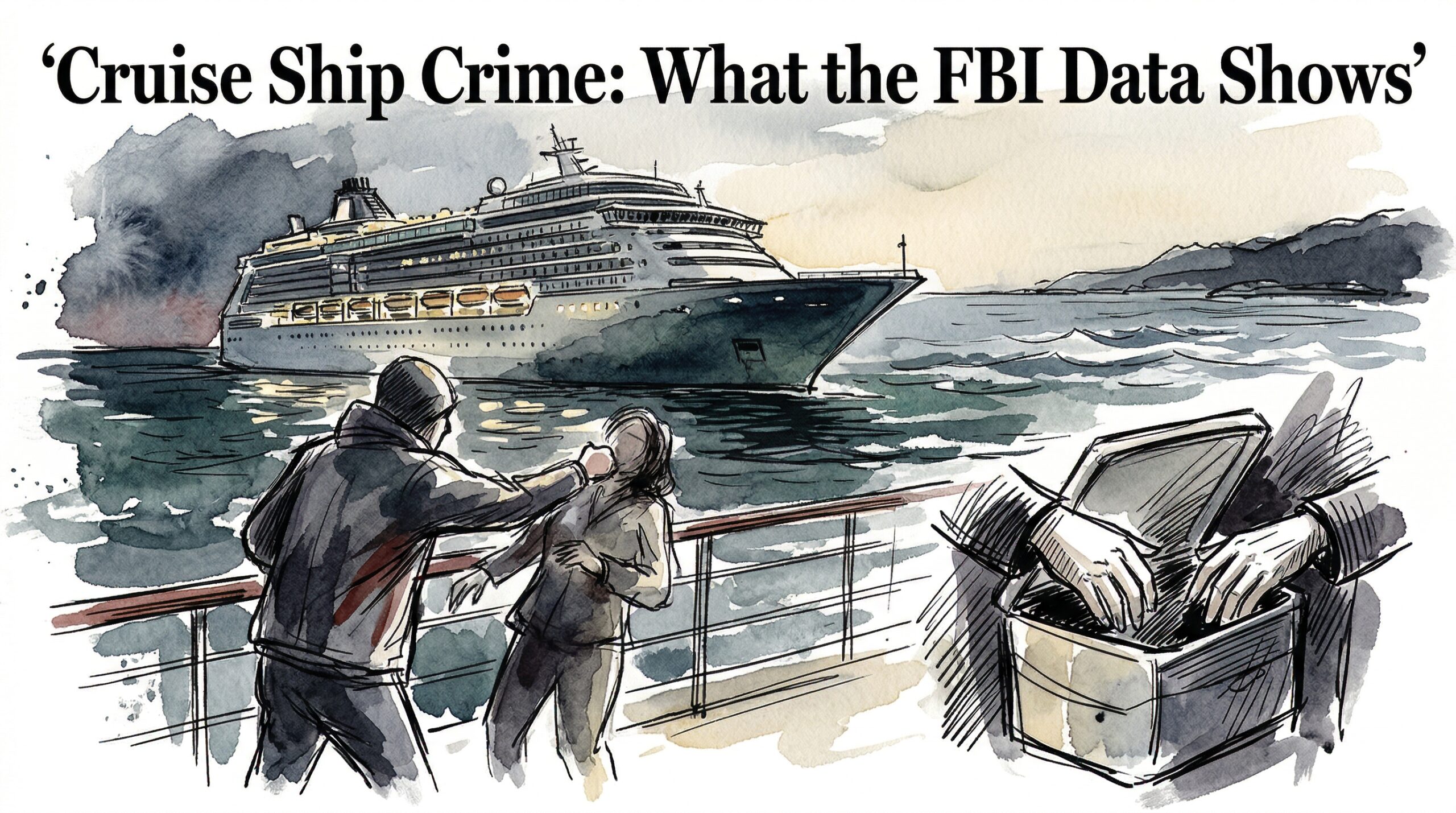

The Strait-Up Truth About Cruise Ship Crimes
So, you’re cruising through the high seas, cocktail in hand, totally relaxed—and bam, you start thinking about Titanic, pirates, and *ugh* crime stats you vaguely remember hearing about. Are cruise ships actually floating dens of iniquity, or is that just another urban legend meant to scare you off your sun deck?
Let’s dig into the actual FBI data on cruise ship crime. Spoiler alert: it’s not as terrifying as you might think.
What the FBI Data Shows
First off, let’s talk numbers. The FBI is actually required to maintain a database of reported crimes on cruise ships that touch U.S. ports. Here’s what those numbers say:
- Assault (both physical and sexual): By far the most common crime, with sexual assault making up the bulk. FYI, this is a massively underreported crime in general, both at sea and on land.
- Theft: Not as rampant as your mom warns, but it happens. Usually involves personal electronics or jewelry.
- Fraud: Mostly related to sneaky charges—check your bills!
How Do Cruise Ships Compare to Land?
Time for some real talk. Is cruising any more dangerous than walking down Main Street, USA? The FBI data says no. In fact, per passenger, cruises actually have a lower rate of reported crimes compared to many land-based vacation spots. Remember, most ships carry thousands of people, so a few reported incidents don’t spell doom.
Still, it’s not all sunshine and piña coladas. The confined environment can make any crime feel more immediate and personal. Plus, being in international waters means jurisdictional challenges when trying to enforce U.S. laws.
The Real Crime: Underreporting
Here’s the kicker: the FBI data only shows reported crimes. It’s open secret territory here, folks—many incidents go unreported due to a range of factors:
- Fear of Reprisal: Victims may fear retaliation, especially in cases involving ship crew members.
- Lack of Evidence: Evidence can be hard to preserve on a moving ship with a transient population.
- Jurisdiction Confusion: Who do you report to? The ship’s captain? Local authorities when you dock?
Staying Safe: Tips That Actually Work
Enough fear-mongering. Let’s get practical. Here’s your no-BS guide to keeping yourself and your stuff safe while cruising:
Preventing Assault
1. **Stick with a Buddy:** The buddy-system isn’t just for 6-year-olds. Keep close to friends or family, especially at night.
2. **Trust Your Gut:** If something feels off, it probably is. Trust your instincts and walk away.
3. **Secure Your Cabin:** Use the deadbolt and always check who’s at your door.
Preventing Theft
1. **Use the Safe:** Those little safes in your cabin are there for more than just decoration. Use them for valuables.
2. **Limit Cash and Cards:** Carry only what you need ashore.
3. **Beware of “Friendly” Strangers:** Your mom was right; not everyone with a smile is your friend. Some are just after your iPhone.
General Safety Tips
1. **Know the Layout:** Familiarize yourself with the ship’s layout and emergency exits. Fire drills aren’t just for fun.
2. **Don’t Overdo It:** Drink responsibly. You’re more likely to become a victim if you’re not in control of your faculties.
3. **Report Suspicious Activity:** If you see something, say something. The sooner you report, the better.
The Real Deal on Crew and Security
Most people working on cruise ships aren’t criminals—shocker, I know. They’re just folks trying to make a living. That said, like any industry, there are bad apples. The key is knowing how cruise lines vet and manage their staff:
– **Background Checks:** Cruise lines are legally required to perform background checks on employees. But hey, systems aren’t infallible.
– **Security Teams:** Modern ships have dedicated security teams trained to handle incidents and resolve conflicts.
– **CCTV:** Cameras everywhere. Smile, you’re on candid camera.
The Legal Labyrinth
Navigating the legal aftermath of a crime at sea can make your head spin like a Tilt-a-Whirl. Here’s why:
– **Jurisdictional Maze:** International waters mean the ship’s flag country laws often apply.
– **Different Standards:** Cruise lines can be sketchy about what they consider a “reportable” crime.
– **Delayed Justice:** If you pursue legal action, you’re likely in for a long, drawn-out process.
What Cruise Lines Should Be Doing (But Aren’t)
Let’s put them on blast for a second. Cruise lines could do more to protect passengers, like:
- More Transparency: Publish real-time crime stats for each ship.
- Better Training: Equip crew with better training to deal with crimes.
- Improved Reporting Systems: Make it easier and safer for passengers to report incidents.
For more on cruise line antics, check out our Cruise Line Dossiers.
Wrapping It Up
Cruise ship crime isn’t something to lose sleep over, but awareness and preparedness can go a long way toward having a safe and enjoyable trip. Keep your wits about you, know your surroundings, and above all, enjoy your oceanic escape. Curious about how your favorite cruise stacks up? Find all the juicy details in our Ship Database.
And hey, if something does go awry, at least you’ve got a killer story for your next dinner party.



Try our free cruise games & calculators
Explore real CDC inspection scores and outbreak data for every cruise ship.