
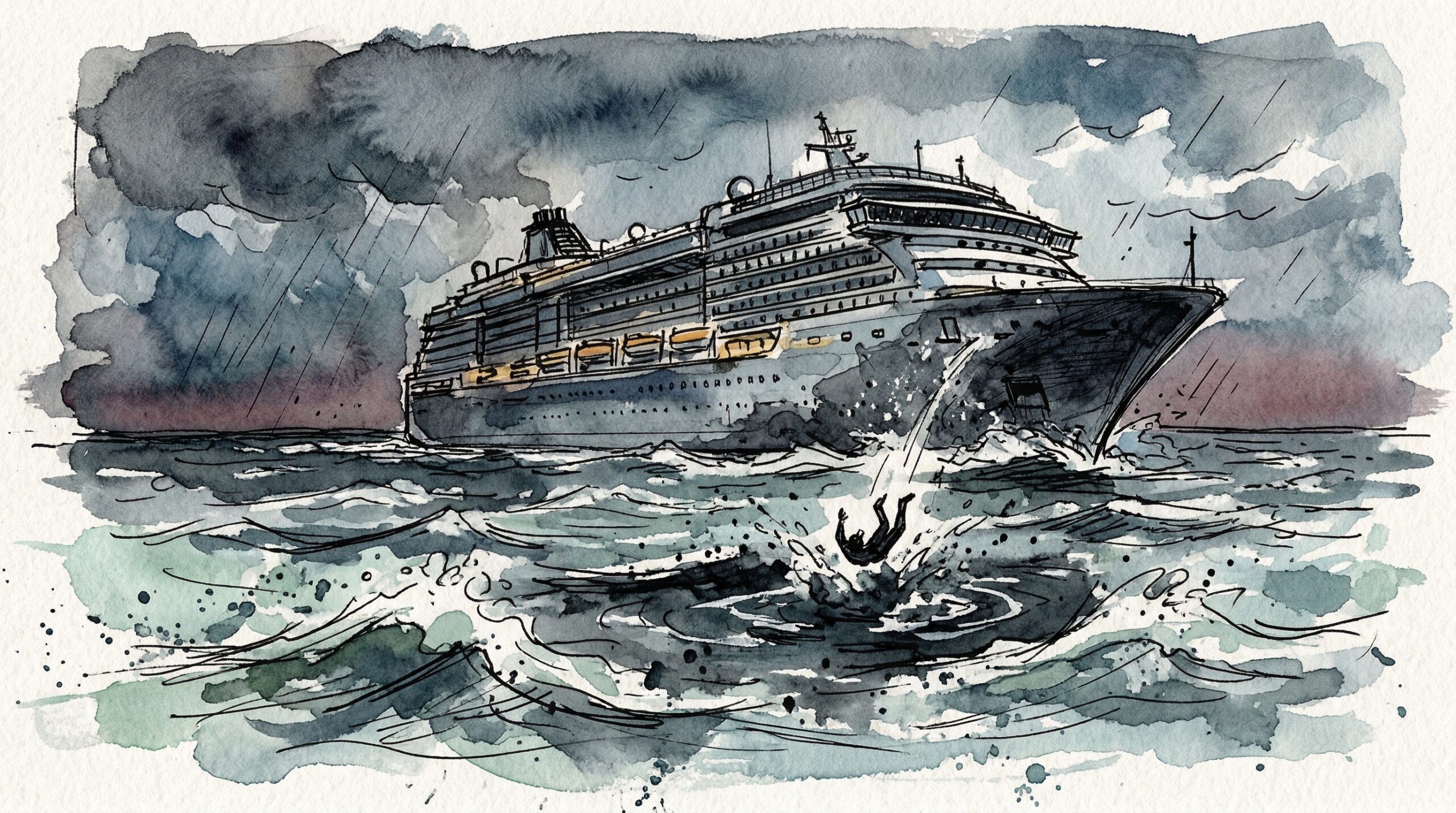

What’s Really Going On With “Man Overboard” Incidents?
Ah, the age-old cry of “Man overboard!” evokes images of daring rescues and dramatic seafaring tales. But in the world of cruising, it’s not always a chapter of swashbuckling heroics. Today, we’re spilling the tea on how often people really fall off these floating cities, why it happens, and what the cruise lines are doing (or not doing) about it.
Annual Overboard Statistics: What the Numbers Say
Let’s cut right to the chase. According to data compiled by the Cruise Lines International Association (CLIA), around 19 to 25 people go overboard each year from cruise ships worldwide. In the grand scheme of thousands of annual voyages and millions of passengers, it might seem like a drop in the ocean. But tell that to the families affected by these incidents.
Research indicates that survival after going overboard is dismally low, with about 15-25% of individuals being successfully rescued. The frigid water temperatures, the impact on hitting the water, and the challenge of spotting someone in the vast ocean make it a near-impossible feat.
The Usual Suspects: Alcohol and Risky Behavior
Let’s be real: cruise ships are basically floating frat parties. With unlimited drink packages and sunshine-induced amnesia, it’s not surprising that alcohol is a significant factor in many overboard incidents. Drunkenly leaning over railings, daredevil balcony antics, or simply losing one’s balance can quickly turn a vacation into a tragedy.
Alcohol and Its Role
Statistics show that a large proportion of overboard incidents involve passengers who have consumed alcohol excessively. While cruise lines won’t exactly advertise this fact, we will. The combination of free-flowing booze and poor judgment is a dangerous cocktail that can’t be ignored.
Balcony Behavior: Not as Safe as You Think
We’ve all seen those spa-like cruise commercials with passengers lounging on balconies, a glass of champagne in hand. What they don’t show is the risk of horsing around (or just being a clumsy human) and taking an unintended plunge.
Cruise line safety standards mandate railings to be at least 42 inches high, but that doesn’t stop daredevils from turning balconies into playgrounds. Remember, folks: this isn’t a playground, and gravity always wins.
What Happens When Someone Goes Overboard?
So, what exactly do cruise lines do when a passenger takes the unplanned express route to the ocean? It’s not always the Baywatch moment you’d hope for.
The Immediate Response
Cruise ships are equipped with man overboard detection systems that use radar and infrared cameras to detect unusual movements. Once an overboard is confirmed, ships follow a “person in water” protocol which includes:
- Alerting the bridge: The captain and crew are notified immediately.
- Throwing life rings: Crew members toss life rings into the water.
- Stopping the ship: The vessel is maneuvered to circle back towards the last known location.
- Launching rescue boats: Smaller boats are dispatched for a more thorough search.
However, the success of this process is heavily dependent on numerous factors, including the speed of detection and the weather conditions.
The Tech: Surveillance and Detection Systems
Cruise lines have invested in fancy tech like motion sensors and thermal imaging cameras to detect overboard incidents ASAP. Despite these advancements, not all ships are equipped with state-of-the-art systems, perpetuating a dangerous game of Russian roulette when it comes to passenger safety.
Staying Safe: Balcony Safety Tips
While the ultimate goal is to never end up in a man overboard scenario, here are some tips for keeping your cruise safe and enjoyable:
- Watch your alcohol intake: We love a good margarita, but moderation keeps you from becoming the next unscheduled ocean diver.
- Respect balcony railings: They’re high for a reason. No leaning, climbing, or fooling around.
- Travel with a buddy: Having someone keep an eye on you can be a literal lifesaver.
- Report suspicious behavior: If you see someone acting recklessly, inform cruise staff.
What Cruise Lines Don’t Want to Tell You
Cruise lines are notoriously tight-lipped about overboard incidents. They’d rather focus on selling you the dream of endless buffets and Caribbean sunsets. But when it comes to safety, it’s crucial to know the risks and take precautions.
Check out our detailed Cruise Line Dossiers, where we spill more tea on what the corporations wish you’d ignore, from hidden costs to health protocols.
Why Transparency Matters
Without transparency, passengers can’t make informed decisions. By keeping these incidents under wraps, cruise lines prioritize their brand over your safety. That’s why ShipTea is here, serving you the hard truths with a side of sass.
So, How Do You Avoid Becoming a Statistic?
Your best bet is to be vigilant. Mind your alcohol, stay clear-headed around railings, and don’t transform your balcony into a personal Cirque du Soleil act. And if you’re ever in doubt, choosing a cruise line with a strong safety reputation can also help. We compile these in our Ship Rankings, which you should bookmark faster than you can say “bon voyage.”
Final Thoughts
The reality is, man overboard incidents are a tragic possibility of cruising. While the numbers might not seem astronomical, they are significant enough to warrant your attention. So keep your wits about you, and remember: cruise safety starts with you.
For more insights into what cruise lines are doing to keep you safe—or not—check back with ShipTea regularly. We’re here to navigate the murky waters of cruise line PR and keep you cruising with confidence.

Try our free cruise games & calculators
Explore real CDC inspection scores and outbreak data for every cruise ship.