

Cruise Ship Safety: What the Data Actually Says (Not What the Brochure Says)
The Safety Stats: Cruising vs. Other Travel
Let’s cut to the chase. According to the Cruise Lines International Association (CLIA), over 30 million people cruise annually. But are you safer on a ship or strapped in a metal tube flying 30,000 feet in the sky? Turns out, cruising has a pretty low incident rate. Your odds of dying on a cruise ship are about 1 in 6.25 million. Compare that to your odds of dying in a car accident, which is 1 in 645. So, statistically, cruising sounds like a dream vacation for those with a fear of flying or driving.
Fire Safety: More Than Just a Monthly Drill
Cruise ships flaunt about having state-of-the-art fire safety systems. But what does that really mean? Ships are required to have fire suppression systems, smoke detectors, and regular crew training. The grand Titanic lesson of “too few lifeboats” isn’t lost on these maritime giants either.
A typical cruise ship fire won’t spread as fast as your last viral TikTok because modern vessels are designed with “zones” that restrict smoke and fire. The International Convention for the Safety of Life at Sea (SOLAS) mandates that all ships built after 2010 must have upgraded fire retardant materials. So your room won’t go up in flames like that 4th of July BBQ.
Structural Safety: Keeping Afloat (Literally)
Ever since the Costa Concordia gave us a tragic reality check, structural safety has been no joke. New ships are subject to rigorous testing and must meet stringent requirements from organizations like SOLAS and the International Maritime Organization (IMO). These regulations ensure that ships can withstand rough seas and critical failures like engine loss.
Remember the sinking feeling when the Titanic hit the iceberg? Modern cruise ships have double hulls, watertight compartments, and ballast systems that allow them to stay afloat. Ships are basically floating fortresses.
Improvements Since the Costa Concordia
The Costa Concordia disaster in 2012 was a massive wake-up call. But it did lead to serious overhauls in safety procedures. Ships now must conduct passenger muster drills before leaving port, not after. Navigation systems have been improved, and bridge procedures are more rigorous. Captain Francesco Schettino might have inspired memes, but he also inspired a push for real change.
Lifeboats: Enough for Everyone
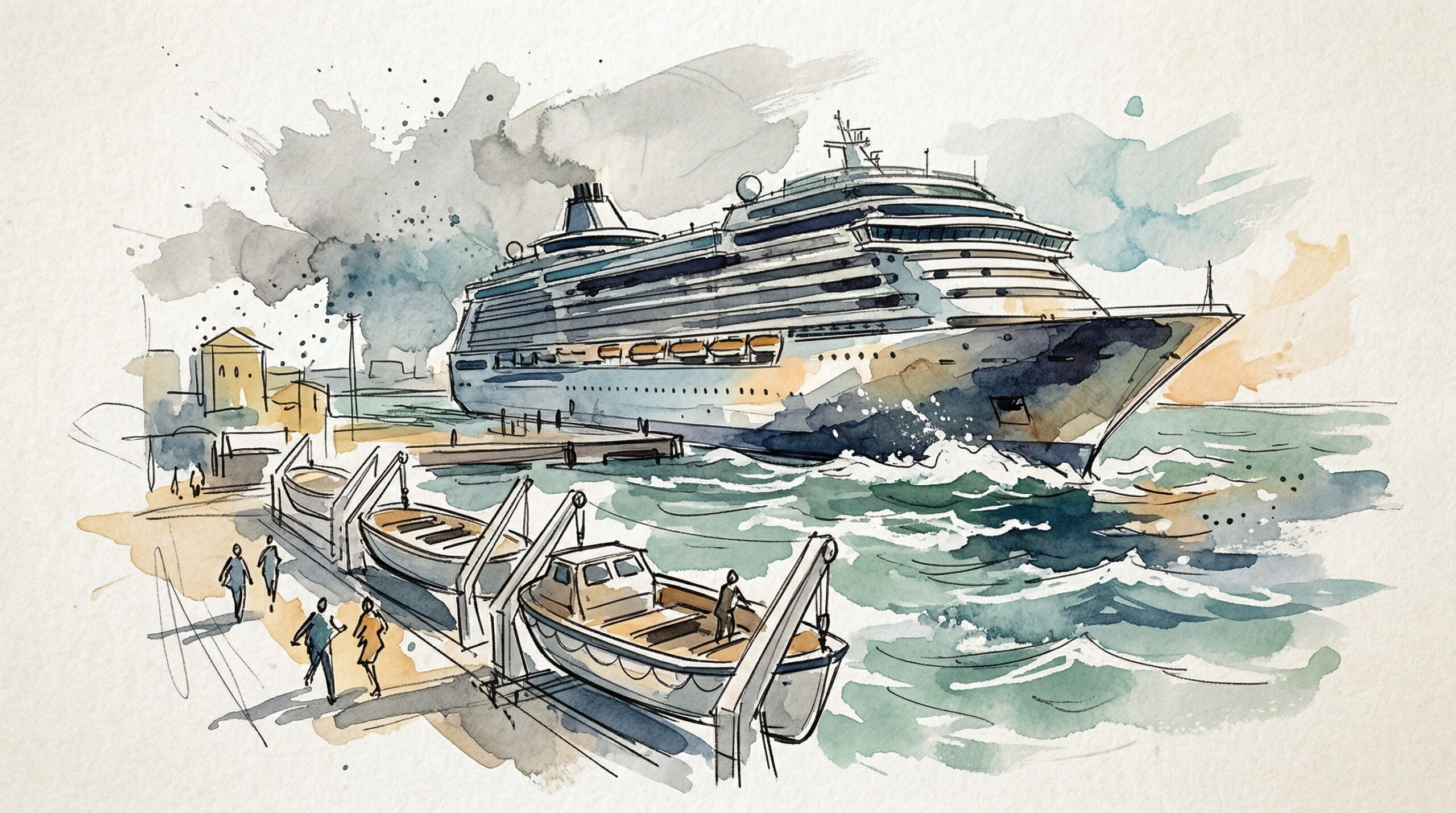
If you’re worried about getting left behind like Rose on that floating door, fear not. SOLAS requires ships to have lifeboats for at least 125% of their passenger and crew capacity. Lifeboats have to be easily accessible and launched within 30 minutes of the abandon ship order.
Modern lifeboats are more like mini-submarines, fully enclosed to protect you from the elements. If you’re on a mega-ship, chances are you’re closer to a lifeboat than you are to the buffet.
Medical Facilities: A Floating ER?
Feeling a little queasy? Cruise ships have medical facilities that most small towns would envy, equipped to handle anything from seasickness to a heart attack. While not quite a floating ER, most cruise ship medical centers have doctors and nurses aboard, with access to telemedicine for more complex issues.
Cruise lines are required to adhere to the American College of Emergency Physicians (ACEP) guidelines, which include having basic medical supplies and equipment. Sure, they can’t do open-heart surgery, but they can stabilize you long enough to get you to a real hospital.
The Marketing vs. Reality Face-Off
Let’s talk about the elephant in the room: the cruise lines’ marketing shenanigans. They’ll have you believe their ships are safer than the Pope’s bathroom, but it’s not all rainbows and dolphin sightings. Cruise lines are notorious for downplaying incidents and overhyping safety measures.
Hidden Fees Alert: Safety briefings and evacuation drills are often pitched as part of the “fun,” when they’re actually essential for your survival. If you want a no-BS look at what cruise lines are hiding, check out our Carnival Hidden Costs dossier.
What’s the Real Risk?
Here’s the kicker: while cruises are generally safe, they aren’t risk-free. Outbreaks of norovirus and other illnesses happen, fires can ignite, and rogue waves are real. But with proper planning and choosing high-rated ships, you’ll lower your risk of becoming the next YouTube headline.
Want to know which ships have the best safety records? We’ve got you covered with our Ship Rankings that factor in CDC inspection scores and maintenance records.
The Final Verdict
To sum it up, cruise ships are about as safe as a vacation can get when you’re traversing the high seas. Between improved structural designs, robust fire safety systems, and adequate medical facilities, modern cruise lines have fine-tuned safety to an art. But don’t let the brochures fool you into complacency. Stay informed, check the data, and choose wisely.
For more on your favorite floating hotels, check out our comprehensive Cruise Line Dossiers to see who’s really walking the walk, not just talking the talk. Safe sailing, folks!


Try our free cruise games & calculators
Explore real CDC inspection scores and outbreak data for every cruise ship.