


Cruise ship crew members know secrets about life at sea that passengers never discover—insider knowledge accumulated over thousands of hours aboard. After countless conversations with crew and research into the industry, here are 15 things they typically won’t volunteer, but that you absolutely should know.
⏱️ 9 min read
1. The Emergency Codes You Should Recognize
When you hear “Bravo, Bravo, Bravo” announced over the ship’s PA system, that’s the crew code for a fire emergency. “Oscar, Oscar, Oscar” signals a man overboard situation. “Charlie, Charlie, Charlie” indicates a security threat. “Echo, Echo, Echo” means the ship is beginning to drift. Crew are trained to respond immediately while keeping passengers calm and unaware.
If you hear these codes, don’t panic—but do pay close attention to any crew instructions that follow. The codes exist to mobilize crew without alarming guests, but informed passengers can better support emergency responses.
2. Yes, There’s a Morgue Aboard
With thousands of passengers on each sailing—many of them elderly—deaths aboard cruise ships happen more frequently than you might expect. Industry estimates suggest 200+ passenger deaths occur on cruise ships annually worldwide. Ships maintain small morgue facilities to store remains appropriately until reaching a port where they can be transferred to local authorities.
It’s not morbid; it’s practical necessity for vessels that function as floating cities for weeks at a time. The medical staff handles these situations professionally and discreetly.
3. The Buffet Has Predictable Peak Times
Crew members know exactly when buffet chaos peaks—and when to avoid it themselves:
- Breakfast: Peak rush runs 7:30-9:00am. Go earlier or wait until after 9:30.
- Lunch: The noon-1:30pm window sees maximum crowding. Arrive at 11:30 or after 2:00.
- Dinner buffet: Avoid 6:00-7:30pm entirely if possible.
Arriving 30 minutes before or after these windows means dramatically shorter lines, more seating options, and fresher food that was just restocked rather than sitting under heat lamps.
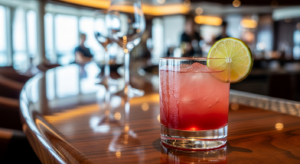
4. The Crew Bar Exists—And Prices Are Incredible
Below passenger decks, crew members have their own bar with drinks priced at a fraction of what guests pay—often $1-3 for beers and cocktails that cost $12-15 in passenger areas. This isn’t available to guests (obviously), but knowing it exists helps explain why crew can afford to socialize despite modest wages.
The crew bar is often the social center of staff life aboard, where workers from 50+ countries mix after long shifts.
5. Your Cabin Steward Knows Your Schedule
Within two days of boarding, your cabin steward has learned your routine: when you typically leave the cabin, when you return, what time you go to bed, whether you’re morning or night people. This isn’t surveillance—it’s how they time service optimally to clean when you’re away and deliver turndown when you’re at dinner.
They notice everything: your preferred pillow arrangement, whether you use both robes, if you consume the minibar items. Good stewards adjust service to match observed preferences without being asked.
6. Shore Excursions Through the Ship Cost More
Crew members working port-intensive positions know the reality: the exact same tours sold through the cruise line are frequently available directly from local operators at 30-50% lower prices. The cruise line contracts with these same operators, adds markup, then sells the packages to passengers.
The cruise line’s “guarantee to get you back to the ship” has genuine value—if your ship-booked excursion runs late, the ship waits. But for straightforward tours in well-established ports with reliable operators, independent booking usually delivers better value.
7. Specialty Restaurant Ingredients Are Different
The main dining room serves thousands of guests daily across multiple seatings. Specialty restaurants serve dozens. The difference isn’t just preparation and presentation—it’s ingredient quality. Steakhouses typically use superior beef cuts. Italian venues use better olive oil and cheeses. Seafood restaurants source premium catches.
You’re paying the upcharge for genuinely better products, not just ambiance and exclusivity. The per-person cost reflects real quality differences.
8. Medical Center Prices Will Shock You
Crew who get sick see the ship’s doctor for free as part of their employment. Passengers face significantly higher costs than equivalent land-based urgent care—often $200-400 just for a consultation, with additional charges for medications, tests, and treatments. No insurance networks, no negotiated rates.
Pack your own over-the-counter basics (pain relievers, antidiarrheal, antihistamines, motion sickness remedies) and avoid the medical center for anything truly minor. Save it for genuine emergencies.
9. “Reserved” Deck Chairs at Dawn Are Fair Game
Those towels left on prime pool deck chairs at 6am by passengers who don’t return until noon? Many cruise lines officially instruct crew to remove items from chairs vacant for 30-60 minutes. If chairs appear “reserved” but clearly empty with no personal items visible, ask a crew member—they may clear them for you with full authorization.
The chair hog culture frustrates crew as much as fellow passengers. Enforcement varies by cruise line and specific staff, but policies increasingly favor active use over passive claiming.
10. Ship Photography Packages Carry Huge Markups
The professional photographers capture beautiful images with proper lighting and impressive backdrops. But the package prices reflect substantial markup over production costs. Crew tip: you’re allowed to take your own photos at the professional setups (photographers can’t prevent it). Alternatively, negotiate package prices on the final evening when photo staff are trying to meet sales targets.
11. Room Service Has Unwritten Options
The printed room service menu represents the starting point, not the limit. Most ships accommodate reasonable requests beyond the standard offerings. Want something from the main dining room menu delivered to your cabin? Ask politely—often possible. Craving a lunch dish at midnight? Sometimes available. The printed menu exists for efficiency, but flexibility exists for passengers who ask nicely.
12. Art Auctions Merit Healthy Skepticism
Crew members observe that shipboard art auctions are more entertainment than serious art investment. Appraisal values shown are often inflated from actual market prices. Champagne flows freely to lower buyer resistance. If you genuinely love a piece and will enjoy it in your home, buy it—but don’t expect investment returns or accurate valuations.
13. Bridge Tours Often Exist (But Aren’t Advertised)
Many cruise ships offer bridge tours or viewing times that receive minimal promotion. Ask guest services early in your cruise about bridge visit opportunities—these slots fill quickly when available but provide incredible behind-the-scenes access to the ship’s nerve center and its massive array of navigation equipment.
14. Disembarkation Day Includes Cabin Inspections
Before passengers fully clear the ship, crew conduct cabin sweeps checking for left items, damage, and anything unusual. If you accidentally damaged something or attempted to smuggle prohibited items aboard, there’s a reasonable chance it will be discovered—though crew focus primarily on returning forgotten belongings rather than enforcement.
15. Genuine Appreciation Matters More Than You Know
The most important secret: crew members work exhausting schedules away from their families for months straight. A sincere thank-you, remembering their name and using it, treating them as professional humans rather than invisible servants—these small gestures matter enormously in jobs that can feel dehumanizing.
Good tippers are appreciated, certainly. But genuine kindness and recognition of their humanity gets remembered and often rewarded with exceptional service. Crew talk among themselves about which passengers treat them well.
The Bottom Line
Cruise ships are complex operations with systems designed for efficiency at massive scale. Understanding how they actually work—and how the thousands of crew members experience life aboard—helps you cruise smarter while appreciating the human effort that makes your vacation possible.
Know crew secrets we missed? Share them in the comments! Follow Ship Tea for more insider cruise knowledge and the sassiest commentary on the seven seas.

While you're here, try our free cruise tools:
Explore real CDC inspection scores and outbreak data for every cruise ship.